
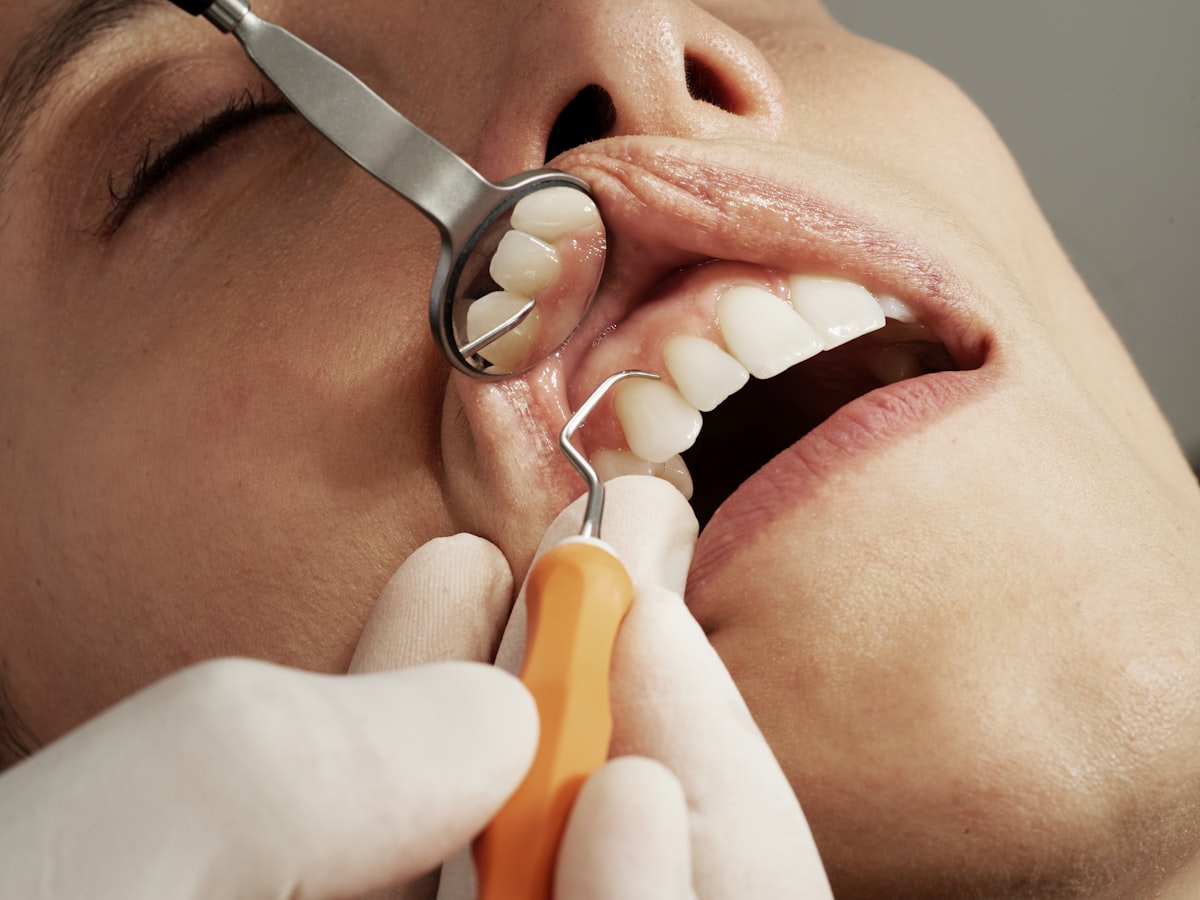
The line between dental and medical care is growing increasingly blurred—especially with procedures like dental implants, TMJ treatment, and sleep apnea appliances. More dentists are now billing medical insurance to expand patient access and increase reimbursements.
This guide explains everything you need to know about medical billing integration for dental offices, including how to bill medical insurance, when it’s appropriate, and the role of dental medical coding in getting claims approved.
What Is Dental Medical Billing?
Dental medical billing refers to the practice of billing medical insurance for dental procedures that are considered medically necessary.
Unlike traditional dental insurance billing—which uses CDT (Current Dental Terminology) codes—medical billing relies on CPT (Current Procedural Terminology) and ICD-10 codes. This makes the process more complex and documentation-heavy.
Why Medical Billing for Dental Offices Is on the Rise
Many patients don’t have dental insurance or have limited coverage. Medical billing allows practices to:
- Treat more complex health-related dental issues
- Help patients maximize medical benefits
- Receive higher reimbursements for certain procedures
- Expand their service offerings to include medically necessary treatments
It’s especially useful for oral surgeons, prosthodontists, and general dentists performing advanced procedures.
When Can Dental Offices Bill Medical Insurance?
Medical billing can be used when the dental service:
- Is related to trauma (e.g., facial fractures, knocked-out teeth)
- Is part of a surgical or reconstructive treatment plan
- Addresses a diagnosed medical condition (e.g., sleep apnea)
- Is deemed medically necessary by the provider and supported by documentation
Examples of Dental Procedures That May Qualify for Medical Billing
| Procedure | When It’s Billable to Medical |
|---|---|
| Dental Implants | When tooth loss is due to trauma or disease |
| Bone Grafts | To prepare the jaw for implant placement due to medical necessity |
| TMJ Treatment | When linked to functional joint disorders |
| Oral Biopsies | To detect or rule out oral cancers |
| Sleep Apnea Appliances | For patients diagnosed with sleep disorders |
| Surgical Extractions | Especially if related to impacted teeth or injury |
Understanding Dental Medical Coding
To bill medical insurance correctly, you must use medical coding systems, which differ significantly from dental coding.
Common Codes Used:
- ICD-10: Diagnosis codes (e.g., M26.61 for TMJ disorder)
- CPT: Procedure codes (e.g., 41899 for unspecified oral surgery)
- HCPCS: Equipment/supplies (e.g., E0486 for oral sleep apnea device)
Dental staff must be trained or supported by experts to correctly translate clinical notes into these codes to ensure claim approval.
Medical Billing for Dental Implants: A Key Opportunity
Dental implants are one of the most expensive procedures—and often not covered by dental insurance. However, under certain medical conditions, medical insurance may reimburse implant treatment, especially when:
- Tooth loss is due to an accident or disease (e.g., oral cancer)
- Implants are needed as part of reconstructive surgery
- There is a documented impact on overall health or function
Proper pre-authorization and medical necessity documentation are key to success.
Benefits of Dental Medical Billing Services
Hiring a dental medical billing company brings several advantages:
| Benefit | Details |
|---|---|
| Increased Revenue | Billable procedures often bring higher medical reimbursements |
| Patient Access | More treatments covered under patients’ medical plans |
| Reduced Claim Denials | Experts use accurate codes and documentation |
| Time Savings | Frees in-office staff from complex billing tasks |
| HIPAA Compliance | Proper data handling ensures legal protection |
Top Dental Medical Billing Services Providers
Here are some companies that specialize in medical billing for dental offices:
1. Dental Medical Billing (DMB)
- Specializes in implant and surgical billing
- Offers insurance verification and pre-authorization support
- Works with general dentists, oral surgeons, and prosthodontists
2. Practice Booster / Coding with Confidence
- Offers training + software tools for accurate dental-medical coding
- Great for in-house teams wanting to bill medical directly
3. Five Lakes Dental Practice Solutions
- Focuses on optimizing insurance participation and billing integration
- Offers credentialing + plan analysis + billing
4. EZ Sleep
- Dental-medical billing experts for sleep apnea device providers
- Provides full documentation and prior auth support
In-House vs Outsourced Medical Billing for Dental Practices
| Feature | In-House | Outsourced |
|---|---|---|
| Training Required | High (complex coding) | Low (experts handle everything) |
| Technology Needs | Must invest in systems | Often provided by vendor |
| Cost | Salaries + ongoing training | Pay-per-claim or flat fee |
| Efficiency | Slower for untrained teams | Fast submission and follow-up |
Verdict: If you’re just getting started with medical billing, outsourcing to dental-specific billing experts ensures fewer errors and faster results.
Best Practices for Implementing Medical Billing in Your Dental Office
- Verify insurance benefits and requirements early
- Obtain pre-authorization for eligible procedures
- Document medical necessity thoroughly
- Use the correct ICD-10 and CPT codes
- Follow up on claim status consistently
Training your front office and partnering with experts is key to success.
Conclusion
Integrating medical billing into your dental practice opens the door to improved reimbursement, expanded treatment offerings, and better care access for patients.
Whether you’re billing medical insurance for dental implants, TMJ treatment, or oral surgery, partnering with a dedicated dental medical billing service can accelerate your success and reduce costly errors.
Start small—focus on one or two procedures—and scale up your medical billing strategy with confidence.